

Nutrition Notes: Fortify Your Diet with Seeds
Seeds can be an important part of a healthy diet, providing essential nutrients that may be otherwise hard to get. Pumpkin, sesame, sunflower, flax, and chia seeds are a few of my favorites that I use all the time. I always top off a spring salad with a sprinkle of seeds like sunflower, pumpkin, and
Nutrition Notes: Welcoming Spring with the Sweetness of Maple Trees
The first drops of maple sap in late winter are magical. I feel alive with awe and excitement when I taste those drops of sweetness, my hands and face nestled on the bark of the maple tree while I reach my tongue out to catch the sweet drops from the small opening in the tree,
Nutrition Notes: Nuts for Your Health
Fall and winter are the seasons for nuts! As squirrels stash away nuts to eat for the winter, and black bears gorge on them to build fat stores in preparation for hibernation, we should also consider nuts as a healthful part of our diet.
Most nuts are the seeds of fruit from trees, with the exception
Nutrition Notes: Envisioning Food as Medicine
“Food as Medicine,” or “Food is Medicine,” has been gaining popularity in recent years. However, it is not a new concept—the understanding that food and adequate nourishment play a key role in optimizing our health and well-being, and that certain foods and ways of preparing food can support healing when ill, is as old as
Get $50 Worth of Farmer’s Market Coupons for Free!
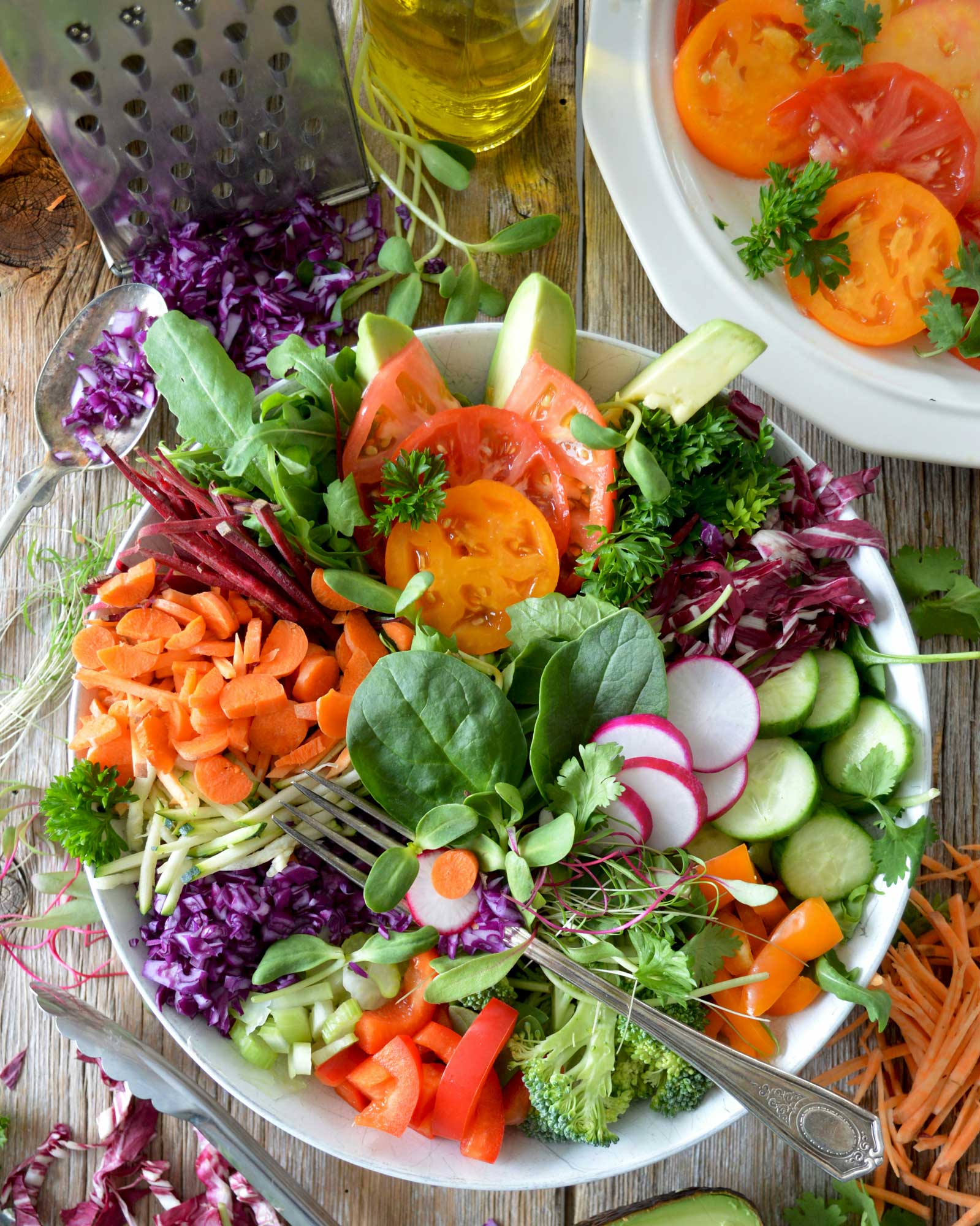
Craving some fresh zucchini or ripe blueberries? LifePath will be distributing 650 free farmer’s market coupon booklets, worth $50 per person (up from $25 per person in previous years). One of these coupon booklets could be yours!
The coupons are part of a program from the Massachusetts Department of Agricultural Resources, designed to help older adults

Nutrition Notes: Wild Food Foraging
Consider a spring dinner that starts with an appetizer of black locust flower fritters, followed by a dandelion and violet leaf salad sprinkled with violet flowers, pasta with garlic mustard pesto and boiled fiddleheads, wild leek and stinging nettle miso soup on the side, and a crisp of knotweed and wild blueberries for dessert. Creating
Nutrition Notes: A Call to Save Seeds
Seeds are the foundation of our food supply. Having enough seeds and a variety of seeds in the hands of people (not controlled by corporations) is a necessity for people to have consistent and equitable access to healthy, safe, and affordable food to optimize health and well-being. In observance of this year’s National Nutrition Month
Nutrition Notes: Nutrition Tips for Winter Months
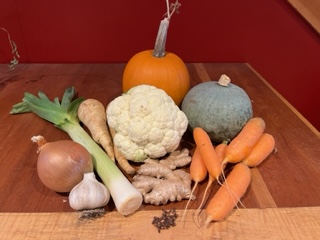
As winter months approach and the temperatures drop, it becomes essential to pay close attention to your nutrition. The cold, icy conditions and longer hours of darkness can pose challenges to exercising and accessing food, healthcare, and social opportunities. These factors can magnify health issues, making it even more important to focus on a balanced
Nutrition Notes: The Growing Interest in Mushrooms
Interest in culinary and medicinal mushrooms has blossomed in recent years. Julia Coffey, founder and owner of Mycoterra Farm and Mass Food Delivery in South Deerfield, MA, has been keeping pace with expanded public interest through her mushroom growing and food delivery businesses. I met with Julia at her farm on a sunny, summer day
Nutrition Notes: Dietary Approaches to Support the Gut Microbiome
Did you know that trillions of microorganisms live in our bodies? These microbial communities, which include bacteria, viruses, and fungi, are collectively known as “microbiota,” and in combination with their genes and environment where they live, make up our “microbiome.” The gut microbiome, made up of 100 trillion microorganisms living in the gastrointestinal tract including
Nutrition Notes: Eating for the Health of the Earth and Future Generations
What would our diets look like if we considered not just our own nourishment and health, but also the health of the Earth and our future generations? For me, this question is central to the theme of this year’s National Nutrition Month: “Fuel for the Future.” Since 1973, the Academy of Nutrition and Dietetics has
Nutrition Notes: Rising Food Prices—How to Eat Well In Spite of Them
I was shocked recently at the grocery store to see that my favorite cereal was $3 more per pound than a few months earlier. I’m sure most of you can relate, as the drastic rise in food prices this year is hard to ignore. The Economic Research Service of the USDA has predicted