
Information and Caregiver Resource Center (ICRC)

Resource Consultants can assist with connecting individuals to the appropriate services for every situation.

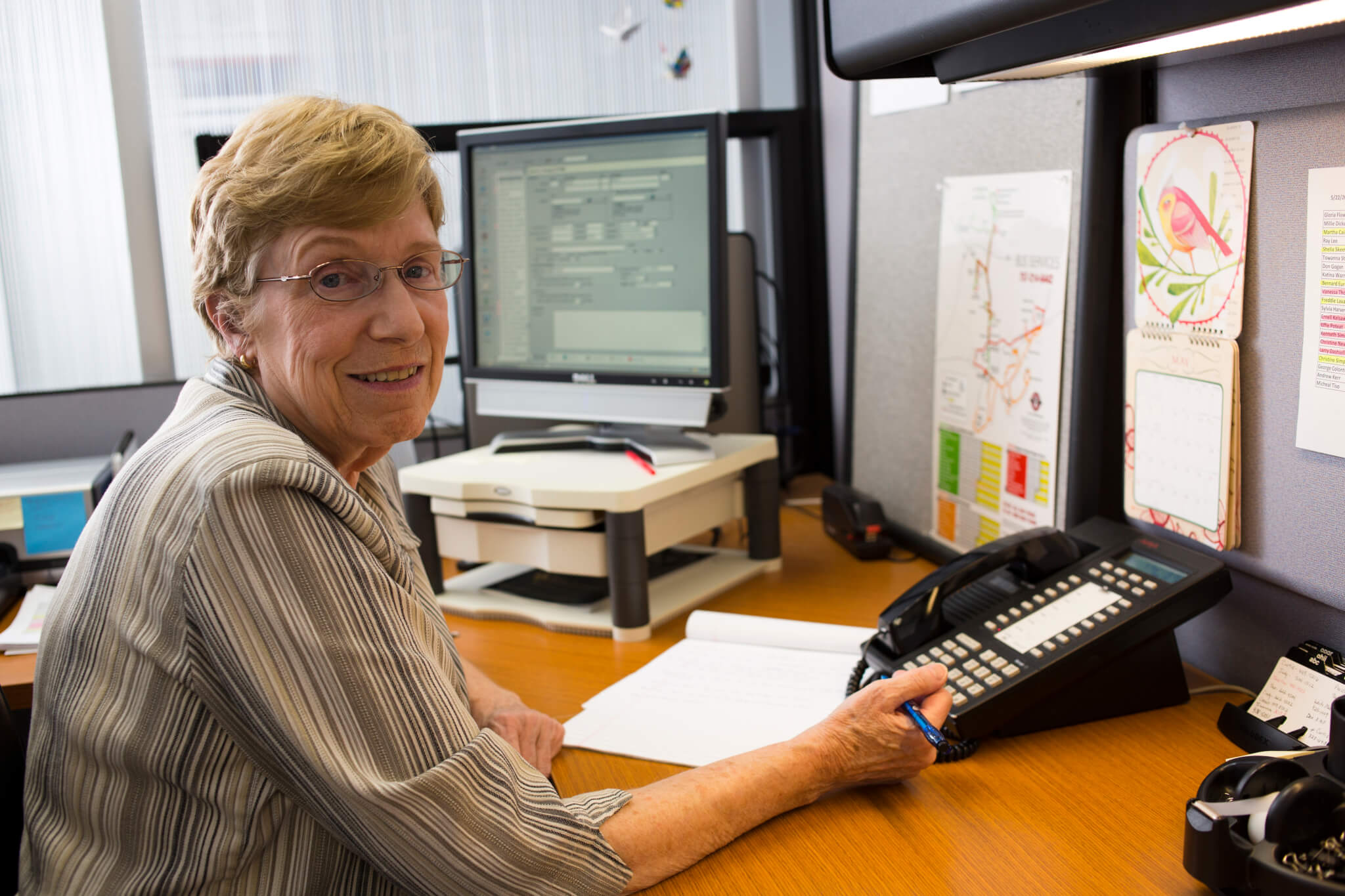
Resource Consultants respond to calls from older adults, caregivers, families, and area professionals in search of resources available locally and nationwide.

We provide information to professionals as well as to elders, caregivers, and persons with disabilities.

Contact us to speak to a Resource Consultant.

Resource Consultants can answer your questions about:

  • Services and resources
  • Obtaining help at home
  • Support groups
  • Housing resources
  • Referrals to other services
  • Long-distance caregiving
  • Health insurance and benefits counseling
  • Transportation
  • Options counseling
  • Navigating the social service network

How it works

When you schedule a consultation with us, your Resource Consultant will:

  • Listen to your unique situation
  • Present options that could help you

When you are ready to learn more, the Resource Consultant will:

  • Arrange a visit to your home to discuss specific needs in more detail
  • Present recommended services for your consideration
  • Explain eligibility criteria and the enrollment process

When you are ready to start services, the Resource Consultant will:

  • Refer you to specific programs
  • Help you complete paperwork
  • Ensure that services are started
  • Follow up to make sure things are going well and to check in should needs change

Resources

Download the ICRC brochure (PDF) Contact us to speak to a Resource Consultant


Read our blog posts about information and resources:
More articles from the Information and Caregiver Resource Corner


What people are saying about the ICRC

A neatly organized clothes closet
image_printPrint this article

Decluttering and downsizing can be overwhelming. Whether it’s to move from a family home to a small apartment, into an assisted living facility, or for some other reason, the task at hand can be challenging for all those involved.

Q: When I want to declutter my home or helped a loved one, where do I begin?

A: It is important to recognize that although this task is necessary, it can be emotionally and physically draining. Remember that there may be items that you or your loved one cherish and need to keep. Start slow, and be respectful of everyone’s feelings during the process.

Begin by identifying your possessions into categories, such as:

  • Keep
  • Donate
  • Sell
  • Discard

Have a system for identifying which category each item belongs in. This is also a perfect time to designate or give items to loved ones.

“Start slow and be respectful of everyone’s feelings during the process.”

The Family Care Alliance at www.caregiver.org encourages those helping another with the process to “be patient and allow time at this stage for your [loved one] to talk about memories, to reminisce about family activities or relatives no longer with you, to acknowledge emotions. This can be a nice opportunity for you both to remember the stories and incidents that are part of your history and that make each family unique.”

Decide what paperwork is important to keep, and shred what is no longer relevant. Pack photos and go through them at a later date, as this takes time and may be emotional.

Then begin the process of donating, selling and discarding the items. There may be items you wish to have appraised if the value is not known. You may want to contact estate sale companies or consignment shops, or hold a yard sale to sell items. Contact local charities for them to pick the items you wish to donate.

People who feel overwhelmed by clutter and do not know where to begin may not be ready for the steps outlined above. Fortunately, there are programs available to help people feel more ready to declutter. For local resources, reach out to the Information & Caregiver Resource Center at LifePath: call 413-773-5555 or 978-544-2259, email info@lifepathma.org, or visit LifePathMA.org.

Laurie Deskavich
More posts